
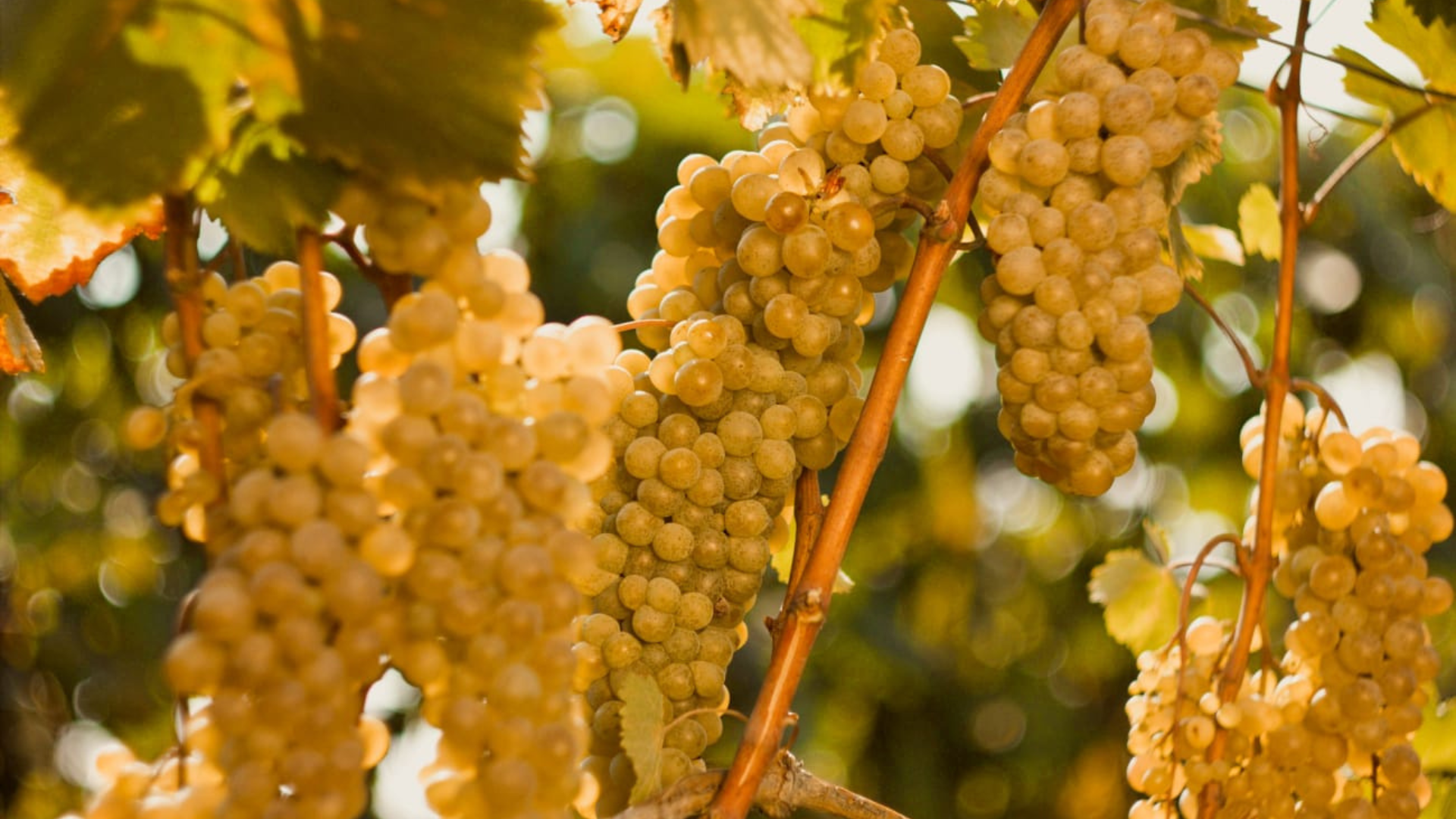
Rtveli Grape Harvest Festival: A Visitor's Guide to Georgia
The Rtveli grape harvest festival is the most joyful stretch of the Georgian calendar. Every autumn, families across the country pick grapes by hand, press them, and celebrate with long tables, toasts and song. For a visitor, joining even a small part of the Rtveli grape harvest is one of the most memorable ways to understand why Georgia calls itself the cradle of wine. This guide explains what Rtveli is, when and where to experience it, how to behave as a guest, and how to plan the trip.
What Is Rtveli?
"Rtveli" (რთველი) is simply the Georgian word for the grape harvest. It is less a single scheduled event than a season: neighbors, relatives and friends gather to cut the bunches, carry them to the press and start the winemaking process. Many Georgian families still make their own wine, so the harvest is a genuine household affair rather than a staged show.
That is what makes it special for travelers. You are not watching a performance; you are being invited, if you are lucky, into a working tradition that has been repeated for generations. Expect hard work, plenty of food, and a very warm welcome.
When Does the Grape Harvest Happen?
Rtveli takes place in early autumn, and the exact dates shift from year to year and from region to region. Grapes are picked when they are ripe, and that depends on the weather, the altitude and the grape variety. As a rough guide, plan for September and October, and check with local hosts or tour operators close to your travel dates rather than relying on a fixed calendar. By late October the harvest in many places is finishing, so if you are reading this after the season, treat it as a plan for next year.
Where to Experience Rtveli
Kakheti: the heart of Georgian wine
Kakheti, in the east of the country, is the best-known wine region and the easiest place to join a harvest. Towns and villages around Sighnaghi, Telavi and the Alazani Valley have family cellars, small wineries and guesthouses that welcome visitors during the season. The landscape alone is worth the trip, with vineyards running toward the Greater Caucasus.
Other wine regions
Kakheti is not the only option. Georgia has several wine-growing areas, including Imereti in the west, and each has its own grape varieties and its own style. Imereti winemaking, for example, is known for a different approach from the Kakheti tradition. If you have time, visiting more than one region shows how varied Georgian wine really is.
What Actually Happens During the Harvest
- Picking: Bunches are cut by hand, often by a whole extended family working together.
- Pressing: Grapes are pressed, and traditionally the juice, skins, stems and seeds go into a clay vessel called a qvevri for fermentation. The qvevri method is a centuries-old Georgian technique and is recognized by UNESCO.
- Feasting: The work is followed by a supra, the Georgian feast, with a toastmaster (tamada), plenty of dishes and polyphonic singing.
- Sweets and snacks: Look out for churchkhela, the walnut-and-grape-juice candy that is a seasonal favorite.
Even if you only have a few hours, a visit to a family cellar usually includes seeing the press, the qvevri and a tasting of wine from the previous year or from the new must.

How to Join a Harvest as a Visitor
There are three practical ways to experience Rtveli:
- Stay at a guesthouse in a wine village. Many hosts are happy to invite guests to pick grapes for an hour or two. Ask when you book and be flexible, because picking days depend on the weather and the ripeness of the grapes.
- Join a guided tour. A local operator can arrange family-cellar visits, transport and translation. This is the easiest route if you do not speak Georgian or Russian. You can browse options on our tours in Georgia page.
- Self-drive between wineries. This gives you the most freedom, but see the safety note below.
Planning Your Trip with a Local Operator
If you would rather have an expert arrange the details, Caucasus Travel is a Tbilisi-based operator that grew out of a group of mountaineers and friends who founded the Georgian Guiding Service in the late 1980s. They list cultural itineraries on GeoTravelMarket, including Essential Georgia, Georgia on My Mind and The land of the golden fleece. Prices are on request, so contact them with your dates and ask whether a harvest visit can be included. You can also visit their official website.
Getting Around the Wine Country by Car
Public transport reaches the main towns, but villages and family cellars are far easier to reach with your own vehicle or a driver. If you prefer to drive, Carex rents cars from its office at 76 Akaki Tsereteli Ave in Tbilisi, and describes a fleet that includes economy, middle and premium class cars, crossovers and SUVs. On GeoTravelMarket you can see, for example, the Subaru Forester at 36.00 USD per day, the Ford Escape Hybrid at 34.00 USD per day, or the Mitsubishi Pajero IO at 32.00 USD per day. Check the current terms on the Carex website before you book.
Important: do not drink and drive. Wine tastings and harvest feasts are generous, and glasses are refilled constantly. If you plan to taste, nominate a sober driver, hire a driver, or book a guided tour so that nobody has to get behind the wheel after drinking. Rural roads can also be narrow, with livestock and unlit stretches after dark.

Etiquette and Tips for Guests
- Accept hospitality graciously. Georgians take pride in hosting. Refusing everything can feel awkward, though you can politely pace yourself.
- Understand the toasts. At a supra the tamada leads the toasts. Wait for the toast before drinking and do not rush ahead.
- Dress for work. Wear closed shoes and clothes that can get stained by grape juice.
- Bring a small gift. Something from your home country is a kind gesture if you are invited to a family home.
- Ask before photographing people. Most are happy to be photographed, but ask first.
- Book early. Guesthouses and guided experiences fill up during the harvest, so reserve ahead.
- Cash helps. In villages, small purchases of wine, honey or churchkhela are often easier with cash.
What to Eat and Drink
Harvest tables are loaded with Georgian staples: khachapuri, grilled meats, fresh herbs, cheeses, walnut-based sauces and seasonal vegetables. The wine can include amber (skin-contact) whites made in qvevri, along with red varieties such as Saperavi. Many families also pour chacha, a strong grape spirit, so drink it slowly. Do not hesitate to ask your host about each wine; they usually love to explain.
Pairing Rtveli with Other Stops
A harvest trip combines easily with other highlights. From Tbilisi you can add historic towns, monasteries and viewpoints along the way. Allow at least two or three days in Kakheti to avoid rushing, and add a night in Sighnaghi for views over the Alazani Valley. If you are interested in culture and history, a multi-day itinerary from a local operator can combine the harvest with other regions.
Frequently Asked Questions
When is the Rtveli grape harvest festival?
Rtveli happens in early autumn, typically around September and October, but dates change with the weather and the region. Confirm with your host or tour operator shortly before you travel.
Can tourists take part in the grape harvest?
Yes. Many guesthouses and local operators invite visitors to pick grapes, watch the pressing and share the feast. Ask in advance, since picking days depend on ripeness and weather.
Do I need a car to visit wine villages?
It helps, because many cellars are off the main roads. You can rent a car, hire a driver or join a guided tour. If you plan to taste wine, never drive afterward.
What should I wear?
Comfortable, closed shoes and clothes you do not mind getting dirty. Bring layers, as autumn mornings can be cool and afternoons warm.
Plan Your Harvest Trip
Rtveli is best experienced slowly, with a local host and an open schedule. Start by exploring the tours available in Georgia, decide how you will get around, and book your accommodation early. Then bring an appetite and raise a glass: gaumarjos, as the Georgians say.
Related Services


Subaru Forester

Ford Escape Hybrid

Mitsubish Pajero IO
Want your Georgian travel business featured here?
We write about local tour operators, car rentals, wine experiences and unique services across Georgia. If you'd like your company featured in our blog, get in touch — or list your services directly and start receiving bookings.