
Georgian Supra Feast Traditions: A Traveler's Guide to the Table
If there is one thing that defines hospitality in Georgia, it is the table. Georgian supra feast traditions turn a simple dinner into a long, warm, toast-filled ritual that can last for hours. A supra (სუფრა, literally "tablecloth") is part banquet, part storytelling session and part social contract. Whether you are invited to a family home in a village or book a dinner with a tour group, knowing how a supra works will help you enjoy it far more and avoid awkward moments.
This guide explains what happens at a supra, who the tamada is, how toasting works, what you will be expected to do as a guest, and how to fit a proper feast into your trip. For the dishes themselves, see our Georgian food guide for travelers; here we focus on the ritual around the food.
What Is a Supra?
A supra is a traditional Georgian feast, organised around a long table that is loaded with food and wine. It marks everything: birthdays, weddings, memorials, a friend's arrival, or simply a good evening. Unlike a restaurant meal where plates arrive in courses, a supra tends to put many dishes on the table at once, and new ones keep appearing as others are finished. Guests rarely see an empty spot on the tablecloth.
The food matters, but it is not really the point. The supra is about the people at the table, the conversation, and the shared sense of belonging. That is why a feast is never rushed, and why it is considered rude to leave early without a reason.
The Tamada: Toastmaster of the Table
Every proper supra has a tamada, the toastmaster. The tamada is usually chosen for their eloquence, humour and ability to hold their drink, and they guide the evening by proposing toasts in a set order. Nobody drinks until the tamada has spoken, and the other guests may add to a toast only when invited or when the tamada gives them the floor.
The tamada also keeps an eye on the mood of the table, makes sure quiet guests are included, and decides when to move on to the next topic. It is an honour, and a skilled tamada can make strangers feel like old friends within an hour. If you are a visitor, do not be surprised if you are warmly welcomed in the very first toasts.
How Toasts Work
Toasts are the backbone of the evening. They are not quick "cheers"; each one is a short speech, often with a story or a wish. The exact order varies by region and family, but you will commonly hear toasts to:
- Peace and the homeland, often among the first.
- God, family and ancestors, including those who have passed away.
- Parents and children, and the future of the younger generation.
- Friendship and love, and sometimes the women at the table.
- The guests, which is where you come in.
As a guest, the best response is to listen, raise your glass, and say gaumarjos (გაუმარჯოს), which roughly means "victory" or "to your health". If you are asked to say a few words, keep it simple and sincere: thank your hosts, say something kind about Georgia, and wish them well. Nobody expects polished speeches from visitors.

Wine, Chacha and Pacing Yourself
Wine is central to a supra, and Georgia's winemaking tradition is one of the oldest in the world. In many homes the wine is homemade, often from the family's own vines. You may also be offered chacha, a strong grape spirit, especially in the later toasts.
A few practical tips for a long feast:
- Eat steadily. Bread, cheese and vegetables on the table are there for a reason.
- Sip rather than empty your glass every time. You can honour a toast without finishing the glass, and it is perfectly acceptable to say you are pacing yourself.
- Drink water between toasts.
- If you do not drink alcohol, say so politely early on. Most hosts will happily offer juice, lemonade or compote instead.
Please do not mix a supra with driving. Never drink and drive. If your trip includes wine regions or dinners in the countryside, plan how you will get back before you sit down: use a driver, a tour, or a taxi. If you rent a car for the rest of your trip, for example from Carex (see their official website), keep the keys for the sober days.
What Is on the Table
Dishes vary by season and region, but a classic supra spread typically includes some familiar names:
- Khachapuri, the cheese-filled bread, in several regional styles.
- Khinkali, the twisted dumplings, traditionally eaten by hand.
- Pkhali and badrijani nigvzit, vegetable and walnut starters.
- Lobio, a bean dish, often served in a clay pot with cornbread.
- Mtsvadi, grilled meat on skewers, and various stews.
- Fresh herbs, pickles, cheeses and tomatoes and cucumbers in season.
Hosts tend to keep adding food, and refusing everything can come across as impolite. Taste a little of each dish, praise what you like, and do not feel obliged to finish everything. For city-specific recommendations, see our Tbilisi food guide.
Etiquette: How to Be a Good Guest
Supra etiquette is not complicated, and Georgians are generally forgiving of foreigners. Still, a few habits go a long way:
- Do not drink before the first toast. Wait for the tamada to begin.
- Do not interrupt a toast. Wait until it is finished, then raise your glass.
- Do not clink glasses casually. In traditional supras, glasses are often not clinked, particularly when toasting the departed. Follow what others do.
- Stay for the evening. Leaving very early can feel like a snub unless you explain why.
- Bring a small gift if invited to a home, such as sweets, fruit or a bottle of wine from your home country.
- Accept hospitality graciously. Compliments and thanks are always welcome.
Above all, join in. Georgians are proud of their traditions and tend to be delighted when a visitor shows real interest in them.
Where to Experience a Supra as a Visitor
You do not need a Georgian friend to experience a supra, although an invitation to a home is something special. There are several realistic options for travelers:
- Restaurants in Tbilisi. Many places serve set menus with a shared table feel, and some offer live folk music.
- Village guesthouses. Family-run guesthouses often serve home-cooked dinners with homemade wine, especially in wine regions such as Kakheti. Read our Kakheti wine region guide for ideas on where to base yourself.
- Tours with cultural elements. Guided journeys often include a traditional dinner or a visit to a family home. Browse the current options on our tours in Georgia page.
If you prefer an organised trip with local expertise, Caucasus Travel is a Tbilisi-based operator whose roots go back to a group of mountaineers who founded the Georgian Guiding Service in the late 1980s. Its cultural programmes, such as Essential Georgia, Georgia on My Mind and The land of the golden fleece, are listed with prices on request, so contact them for details on what each itinerary includes. You can also visit the official Caucasus Travel website. For a broader overview of how they work, see our article on authentic journeys and timeless traditions.

Getting to a Feast in the Countryside
Some of the most memorable suprás happen outside Tbilisi, in villages and small towns where public transport is limited and evenings run late. If you want the freedom to explore, a rental car can help, and Carex lists models such as the Subaru Forester at 36.00 USD per day, the Ford Escape Hybrid at 34.00 USD per day and the Mitsubishi Pajero IO at 32.00 USD per day. Check current terms with the provider.
The rule is simple: if you plan to drink at dinner, do not be the driver. Arrange a designated driver, a local taxi or a guesthouse within walking distance.
Tips for Making the Most of Your First Supra
- Arrive hungry and keep the evening free; a supra can easily run for several hours.
- Learn a few words: gaumarjos (cheers), madloba (thank you) and gemrielia (delicious).
- Ask questions. Hosts love explaining the story behind a dish, a wine or a toast.
- Tell your host about any allergies or dietary needs in advance, especially vegetarian or vegan requirements, so they can plan for you.
- Keep the conversation open and curious; politics and history come up often, so listen as much as you talk.
Frequently Asked Questions
What does "supra" mean?
The word means "tablecloth" in Georgian and refers to the traditional feast laid out on the table. It stands for hospitality, toasting and shared time as much as for the food.
Do I have to drink alcohol at a supra?
No. You can politely decline or hold your glass without drinking much. Most hosts will offer a non-alcoholic alternative, and you can still take part in every toast.
How long does a supra last?
It depends on the occasion, but several hours is normal. Plan for a relaxed evening rather than a quick dinner, and do not schedule anything demanding for the next morning.
Can tourists join a supra?
Yes. Many guesthouses, restaurants and cultural tours offer a supra-style dinner, and Georgians are generally pleased to share the tradition with visitors.
Plan Your Own Georgian Feast
A supra is one of the best ways to understand Georgia beyond sightseeing. Sit down, listen to the toasts, taste everything, and let the evening unfold. If you would like help turning this into a real itinerary, explore the tours and local services on GeoTravelMarket and build a trip around good food, good company and a very long table.
Related Services

Subaru Forester
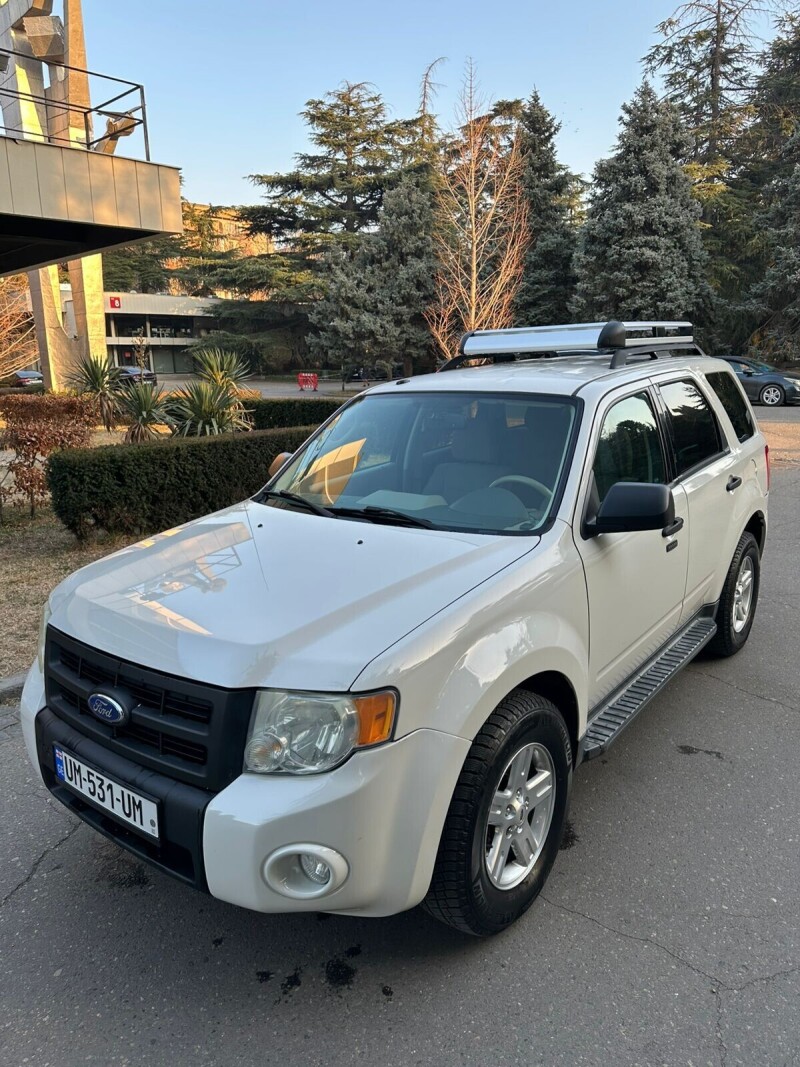
Ford Escape Hybrid
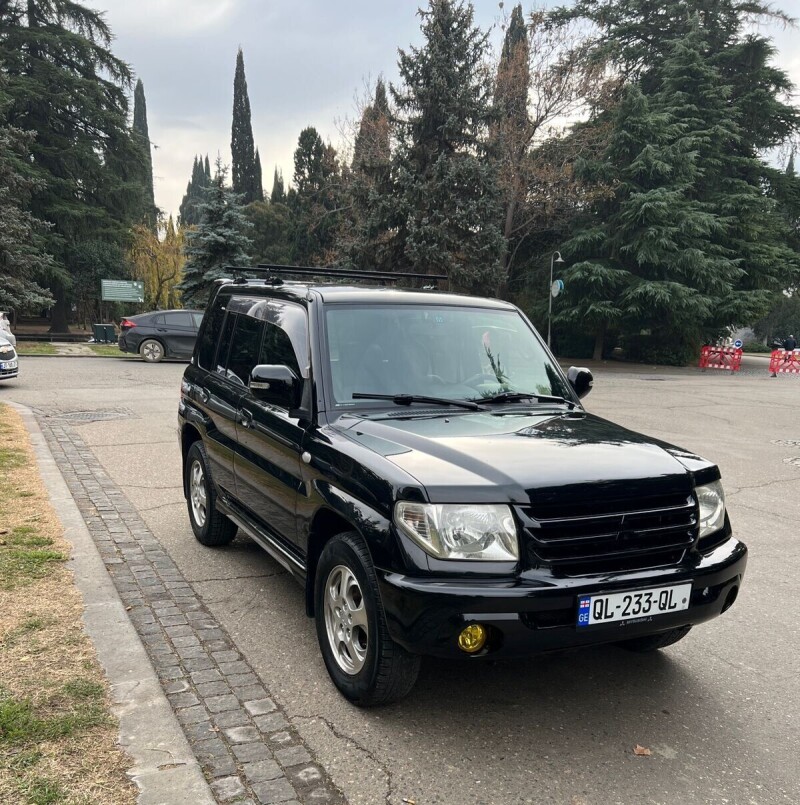
Mitsubish Pajero IO
Want your Georgian travel business featured here?
We write about local tour operators, car rentals, wine experiences and unique services across Georgia. If you'd like your company featured in our blog, get in touch — or list your services directly and start receiving bookings.