
Georgian Churchkhela and Street Food: What to Eat and Where
If you want to understand Georgian churchkhela and street food, skip the white-tablecloth restaurants for an afternoon and eat the way locals do: standing up, with a paper bag or a slice of something hot in your hand. Georgia has a remarkable snack culture, from the walnut-and-grape-must candle known as churchkhela to cheese breads pulled fresh from clay ovens. This guide explains what to look for, how to order, and how to fit a street-food day into a trip, including in the colder months.
What is churchkhela?
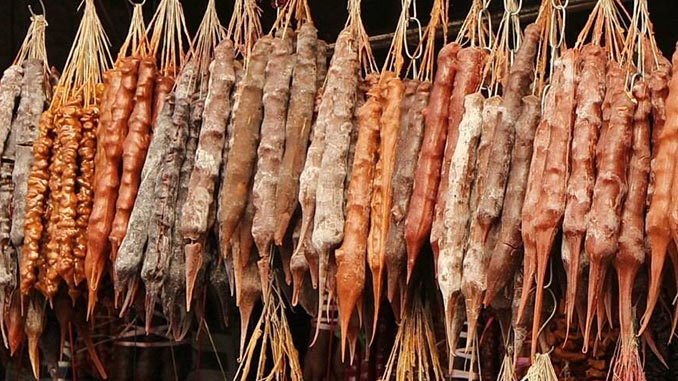
Churchkhela is the best-known Georgian sweet. Walnuts (sometimes hazelnuts or almonds) are threaded onto a string, dipped repeatedly in thickened grape juice mixed with flour, then hung to dry. The result looks like a lumpy candle and has a chewy, fruity outside around a crunchy nut core. It is often called "Georgian Snickers", which undersells it: there is no added chocolate or caramel, and the flavor comes from the fruit and the nuts.
It is traditionally linked to the grape harvest, so the autumn weeks are when you will see strings of it drying in markets and doorways. That is a good reason to look for it in November, when the new season's batches are around. Sellers often stack churchkhela in different colors, which usually reflects the type of juice used; ask what each one is made from and, if you can, taste before you buy.
How to buy good churchkhela
- Look at the surface. A properly made piece is a little matte and slightly soft, not rock-hard or shiny with added sugar.
- Ask for a taste. Vendors at markets and roadside stalls will usually cut a small piece for you.
- Check the nut ratio. More nuts and a thinner coating is generally the better-quality piece.
- Buy where it is made. Roadside stands in wine country and covered markets tend to be better than shops aimed only at souvenir hunters.
- Pack it right. It travels well in a bag, but keep it out of heat; wrap it in paper rather than plastic for the trip home.
Related sweets and snacks to try beside it
Churchkhela has relatives. Tatara and other fruit-based pastes are made from boiled-down grape juice, and you will often see sheets of dried fruit puree, sold by weight, close to the churchkhela. Dried fruit and nuts are common at markets and make an easy, cheap snack for long days of sightseeing.
For something less sweet, look for the bread culture. Georgian bakeries turn out shotis puri, a long, boat-shaped loaf baked against the wall of a traditional round oven called a tone. If you pass a bakery and see people queuing, join them. It is usually the best and cheapest food you will eat that day.
Georgian street food you can eat standing up
Churchkhela is the dessert; here is the savory side of the story.
- Khachapuri. The famous cheese bread comes in many regional styles. For street eating, look for sliced or hand-held versions from bakeries rather than the large sit-down boats served in restaurants.
- Lobiani. A bean-filled bread that is filling, inexpensive and a good option if you want something without cheese.
- Khinkali. Dumplings are usually a sit-down dish, but the way to eat them is by hand: hold the knot at the top, bite, drink the broth, and leave the knot on the plate.
- Pelamushi. A grape-juice pudding, closely related to the same grape-must tradition behind churchkhela, sold in some cafés and markets.
- Roasted corn and seasonal snacks. In cooler weather, hot snacks from small vendors are a pleasant surprise on a cold street.
For a deeper look at what to order in the capital, our Georgian food guide for travelers covers the classics, and the Tbilisi food guide goes dish by dish. If you would rather eat with others, read how the Georgian supra feast works before you accept an invitation to one.

Where to find street food and sweets in Tbilisi
You do not need a long list of addresses. The pattern is more useful than any single stall: markets, bakeries and busy old-town streets. Covered markets are the best place to try dried fruit, nuts and churchkhela side by side, and the bakeries around them are good for a warm bread. The old town is excellent for wandering, and food stops fit naturally into a walking day.
A guided walk can save time if you are short on days. Georgia Journeys offers the Tbilisi City Highlights tour (Old Town, Narikala and Mtatsminda), listed at 50.00 USD per person, which gives you the lay of the old town; leave a couple of hours afterwards to snack your way back through the same streets. Their 3-Day Tbilisi Discovery Tour is listed at 90.00 USD per person if you want a longer introduction. You can see everything else they run on the Georgia Journeys page.
A street-food day, step by step
- Morning: Start at a bakery for shotis puri or a slice of khachapuri, with coffee.
- Late morning: Walk the old town and stop for fruit, nuts and a first churchkhela to taste.
- Lunch: Sit down for khinkali or lobiani. Order a little at a time and share.
- Afternoon: Visit a market, compare dried fruit and churchkhela from different sellers, then buy a few pieces to take home.
- Evening: Finish with a proper table, or try pelamushi if you still have room.
Food delivery is also an option when you are tired, and our guide to Wolt and Glovo in Georgia explains how it works, though you will miss the point of street food if you do it every night.
Eating in the colder months
It is winter season in Georgia from November to March, and that changes how you eat. Hot bread and cheese become far more appealing, and a bakery stop is a good way to warm up. Markets and bakeries generally stay busy, but outdoor stalls may be quieter on cold or wet days, so do not plan a whole day around eating outside. Bring layers and keep a bag for nuts and dried fruit. If you are heading to the mountains, check road conditions locally before setting out, since snow can affect routes.
Autumn is also when festivals bring food and wine into the streets. Our Tbilisoba festival guide explains one of the best examples.

Going beyond the street: a food and wine tour
Street snacks are the easy entry point, but Georgian food makes the most sense alongside its wine. Caucasus Travel, a Tbilisi-based operator that grew out of the Georgian Guiding Service founded by a group of mountaineering friends in the late 1980s, lists a food and wine experience called With the Passion for Food and Wine, priced on request. If you want food, wine and local context together, it is worth asking about. You can also find the company on its official website. For other organized options, browse our tours in Georgia.
Renting a car for markets and wine country
Many of the best roadside food stops, from stands selling churchkhela to bakeries in smaller towns, are easier to reach with your own car. Carex, a Tbilisi rental company, lists vehicles such as the Subaru Forester at 36.00 USD per day, the Ford Escape Hybrid at 34.00 USD per day and the Mitsubishi Pajero IO at 32.00 USD per day. The company describes a simplified online rental system and options for crossovers and SUVs, which helps if winter roads worry you; see its official website for details.
Important: if you are driving, do not drink and drive. Georgian wine is a big part of the food scene and tastings are generous. Either name a designated driver, spit or skip the wine, or take a tour and let somebody else drive.
Frequently asked questions
Is churchkhela vegan?
Traditionally it is made from grape juice, flour and nuts, so it is usually vegan, but recipes vary. Ask the seller if this matters for you.
How long does churchkhela last?
It is a dried product and keeps for a good while when stored somewhere cool and dry. Check with the seller, since storage advice depends on how it was made.
Is Georgian street food safe to eat?
Generally, choose busy stalls and bakeries where food is made fresh and turned over quickly, as you would anywhere. If you have allergies, especially to nuts, which are everywhere in Georgian sweets, ask before you eat.
When is the best time to try churchkhela?
Autumn, around the grape harvest, is the classic season, but you can find it in markets and shops throughout the year.
Ready to taste your way through the country? Start with a market and a bakery, ask questions, and let the sellers guide you. If you want help organizing a food-focused trip, compare operators and plan your route on GeoTravelMarket.
Related Services

3-Day Tbilisi Discovery Tour


Subaru Forester

Ford Escape Hybrid

Mitsubish Pajero IO
Want your Georgian travel business featured here?
We write about local tour operators, car rentals, wine experiences and unique services across Georgia. If you'd like your company featured in our blog, get in touch — or list your services directly and start receiving bookings.