

Tbilisi Old Town Walking Route: A Self-Guided Half-Day Plan
If you have only a few hours in the capital, a well-planned Tbilisi Old Town walking route is the best way to feel the city. Within a compact area you pass sulfur-bath domes, carved wooden balconies, churches of several traditions, a medieval fortress ridge and a modern pedestrian bridge. This guide lays out a self-guided loop you can walk at your own pace, explains what to look for at each stop, and shows where a local guide or a rental car can make the day easier.
How to plan your Tbilisi Old Town walking route
The Old Town is built on a hillside above the Mtkvari River, so the route is a mix of flat riverside streets and short, steep climbs. Wear shoes with real grip: the cobbles and stone steps get slippery after rain. Bring water, sun protection in summer and a light layer in the evening, when the air near the river cools quickly.
A sensible plan is to start at the sulfur-bath district, climb toward the fortress, descend through the narrow lanes and finish by the river and the Peace Bridge. Allow a relaxed half day if you want to stop for photos, a coffee and a meal. We give no fixed timings because they depend entirely on how often you stop, and many sights have their own opening hours that change by season, so check on the day.
- Best light: morning for quiet streets and soft photos; late afternoon and early evening for warm light and a livelier atmosphere.
- Getting there: the Old Town is easy to reach from central Tbilisi by metro, taxi or on foot. If you arrive from other regions by shared transport, our Okriba bus station guide explains the options.
- Money and cash: small cafes and craft stalls may prefer cash, so keep some small notes with you.
Stop 1: Abanotubani, the sulfur bath district
Begin in Abanotubani, where the brick domes of the historic bathhouses rise half-buried in the ground. The district grew around natural hot springs, and the mineral-rich water is the reason, according to local tradition, that the city is named Tbilisi. Even if you do not plan to bathe, the exterior architecture and the faint sulfur smell in the air make this a memorable start. If you do want to soak, read our guide to the sulfur baths of Abanotubani before choosing a bathhouse.
Look for the contrast between the ornate tilework on some façades and the plain domes of the older buildings. Nearby you will also see the steep cliff and the waterfall tucked behind the bathhouses, a surprising piece of nature right in the city centre.
Stop 2: The hill of Narikala fortress
From the bath district a path leads uphill toward Narikala, the old fortress that watches over the city. You can walk up, and many visitors choose a cable car from the riverside park instead, which saves your legs for the lanes below. The climb rewards you with a wide view over rooftops, domes and the river bend.
Take your time at the top. This is where the layout of the Old Town becomes clear: the compact grid of lanes below, the churches, the river, and the newer districts beyond. It is the best place to orient yourself before you descend.
If you prefer to hear the stories behind the stones, the Tbilisi City Highlights — Old Town, Narikala & Mtatsminda tour from Georgia Journeys covers the Old Town, Narikala and Mtatsminda with a guide. It is listed at 50.00 USD per person, so you can compare it with doing the route alone.

Stop 3: Churches, courtyards and carved balconies
Descending into the heart of the Old Town, slow down. Tbilisi is known for its wooden balconies, which cling to the façades of old houses, and for inner courtyards you can sometimes glimpse through open gates. Respect residents: peek, photograph politely and do not enter private yards.
Along the lanes you will meet churches that reflect the city's mixed history. Georgian Orthodox churches stand a short walk from places of worship of other communities, which is one of the reasons Tbilisi has long been described as a crossroads. If you want the bigger historical picture, read how ancient history and modern life sit side by side in Tbilisi.
When you enter a working church, dress modestly: cover shoulders and knees, and women often cover their heads. Speak quietly and ask before taking photos inside.
- Look up for balconies, carved details and painted ceilings.
- Look down for old stone steps and worn thresholds.
- Look through open doorways for courtyards and vine-covered terraces.
Stop 4: Craft shops, cafes and a taste of Georgian food
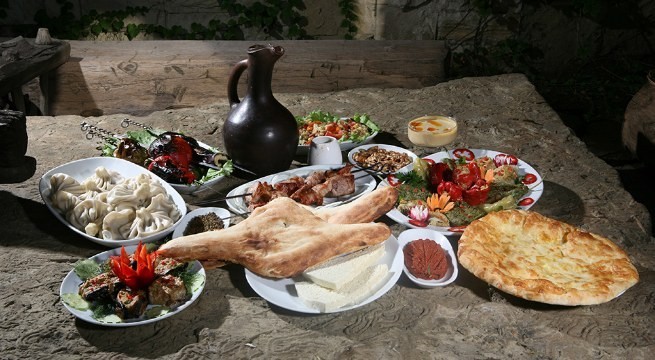
The pedestrian lanes are lined with small shops selling ceramics, textiles, felt and souvenirs, as well as cafes and restaurants. Browse with an open mind; prices vary, so look at a few shops before buying. For lunch, try classic dishes such as khachapuri (cheese bread) and khinkali (dumplings), and ask the staff what is fresh that day.
If food is your main interest, consider a dedicated tour. Caucasus Travel lists The Route of Flavours under Food & Wine Tours, along with The Wine Route; both are priced on request on the platform. You can also read more on the company's official website. Caucasus Travel's own story, in its profile, begins with a group of friends and mountaineers in the late 1980s who founded the Georgian Guiding Service, so it brings an unusual mountain-guiding background to cultural travel.
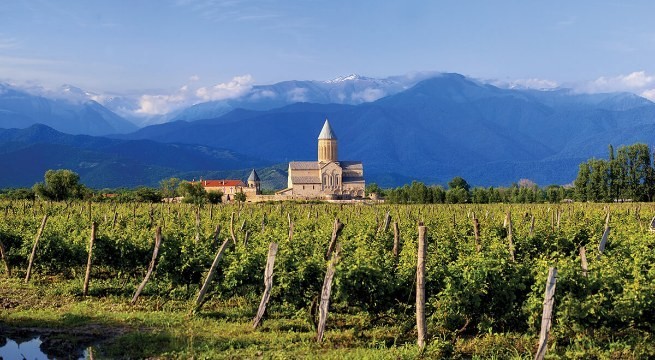
A note on wine: Georgian wine is a highlight, and tasting it is a pleasure, but never drink and drive. If your day includes wine, walk, take a taxi or join an organised tour with a driver.
Stop 5: The riverside and the Peace Bridge
Finish by the river. The Peace Bridge is a modern pedestrian bridge whose glass-and-steel design contrasts sharply with the stone lanes you just left. It is a good place for evening photos, especially when the lights come on. From here you can stroll through the nearby park or sit at a cafe and let your legs rest.
This final stop sums up the character of the city: ancient streets and daring modern architecture within a few minutes of each other.
A simple half-day itinerary
- Start in Abanotubani and look at the bathhouse domes.
- Walk uphill toward Narikala for the view, or take the cable car.
- Descend through the lanes, stopping at churches and courtyards.
- Have lunch and browse the craft shops.
- End at the river and the Peace Bridge as the light changes.

Going beyond the Old Town
Once you have walked the Old Town, Tbilisi makes an excellent base. For a classic mountain day trip, Aleksandre Nishnianidze offers a Tbilisi to Kazbegi, Ananuri, Gudauri & Gergeti tour at 46.00 USD per person. For cultural travel further afield, Caucasus Travel also lists The Land of the Golden Fleece. You can browse more options on our tours in Georgia page.
If you would rather explore at your own pace, a rental car works well for the days outside the city, although you will not need one inside the Old Town itself, where lanes are narrow and walking is easier. Carex is based in Tbilisi and lists a Nissan X-Trail at 32.00 USD per day; visit carex.ge for more about the company. RentiGo also lists Tbilisi airport delivery cars such as the Mazda 3 and Mazda 6 sedans, with details on rentigo.ge. Always check insurance terms and drive carefully on mountain roads.
Practical tips for walking the Old Town
- Footwear: comfortable shoes with grip matter more than anything else.
- Pace: the hills are short but steep; stop and breathe at the viewpoints.
- Respect: dress modestly in churches and be discreet when photographing residents.
- Safety: keep your phone and wallet secure in busy lanes, as in any popular tourist area.
- Weather: carry water in summer and a rain layer in spring and autumn.
Treat the route as a flexible outline rather than a strict schedule. The best moments in the Old Town are often the unplanned ones: a courtyard you did not expect, a baker pulling bread from an oven, or a view that opens between two buildings.
FAQ
How long does the Tbilisi Old Town walking route take?
Plan for a relaxed half day. The route itself is compact, but time disappears when you stop for views, churches, lunch and shopping.
Is the route suitable for children and older travelers?
Mostly yes, but there are steep sections and uneven stone. Taking the cable car to the fortress and walking downhill makes it easier.
Do I need a guide?
Not necessarily. You can follow this self-guided outline, but a guide adds history and local stories. A guided option is the Tbilisi City Highlights — Old Town, Narikala & Mtatsminda tour.
Can I combine the walk with a day trip?
Yes. Spend one morning in the Old Town and use another day for a mountain or wine trip, either by guided tour or by rental car, never mixing wine with driving.
Ready to plan your Tbilisi days? Compare guided tours, local guides and rental cars on GeoTravelMarket and build a trip that suits your pace.
Related Services



Nissan Xtrail Axis Gold
Want your Georgian travel business featured here?
We write about local tour operators, car rentals, wine experiences and unique services across Georgia. If you'd like your company featured in our blog, get in touch — or list your services directly and start receiving bookings.