
Juta and Chaukhi Hike: Trail Guide, Season and Tips
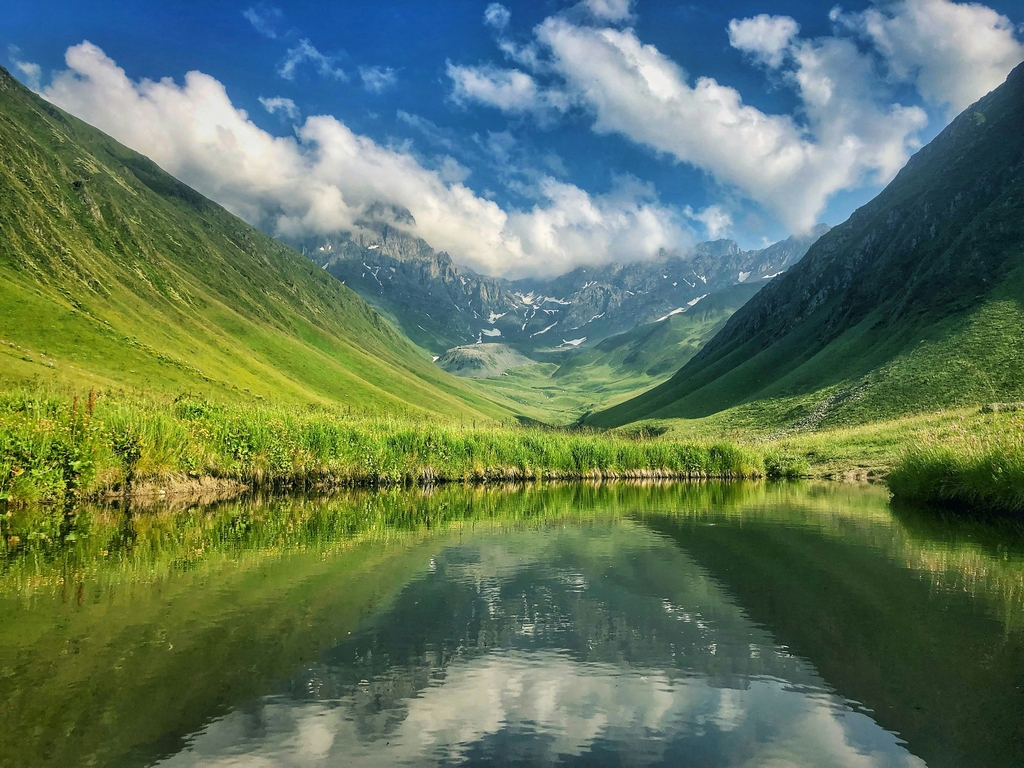
The Juta and Chaukhi hike is one of the most rewarding day walks in the Kazbegi (Stepantsminda) region of Georgia's Greater Caucasus. You start in the high village of Juta, walk up a glacial valley, and end beneath the jagged limestone-and-granite towers of the Chaukhi massif. This guide explains how the route works, when to go, what to pack, how to reach the trailhead, and what changes in the cold season.
Why the Juta and Chaukhi hike is worth the effort
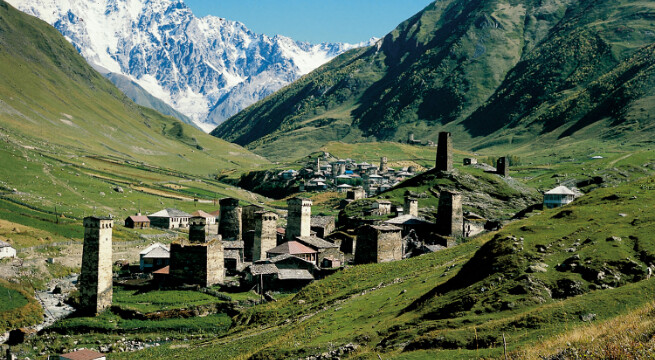
Most visitors to Kazbegi stop at the Gergeti Trinity Church and head back to Tbilisi. Juta rewards those who go further. It is a small mountain settlement with a handful of guesthouses, a few cafés and a very different atmosphere from the main road: quieter, higher and more rugged. From the village, the Chaukhi peaks dominate the skyline, and the trail through the valley gives you views you simply cannot get from a car window.
The route suits reasonably fit walkers who are used to a few hours on uneven ground. You do not need technical climbing skills for the standard valley trail, but you should be comfortable with elevation, rapidly changing mountain weather and rocky paths.
How the route works
The classic outing begins in Juta and follows the trail up the valley toward the base of Chaukhi. Along the way you cross open alpine meadows, streams and rocky sections, with the massif growing larger at every turn. Many hikers turn around at a viewpoint below the peaks and walk back the same way, which makes it a manageable day trip from Stepantsminda.
Stronger and more experienced walkers continue toward the Chaukhi Pass and the Abudelauri lakes, which are known for their strikingly coloured water. Beyond the pass the terrain becomes more serious, and many people do this as a longer, multi-day crossing with a guide. If you are unsure, treat the shorter out-and-back walk as the "main" hike and consider the pass an optional extra for a clear, stable day.
- Short version: Juta to the viewpoint beneath Chaukhi and back, a good half-day to full-day outing depending on your pace and how long you stay at the top.
- Longer version: continue toward the pass and the Abudelauri lakes, ideally with a guide and a proper early start.
- Pace yourself: the altitude is noticeable even for fit walkers, so go slowly and stop often for photographs.
Best time to hike Juta and Chaukhi
The comfortable hiking window is the warm part of the year, generally from early summer into early autumn, when the high trails are free of snow and the meadows are green. Early in the season, patches of snow can linger higher up, so check conditions locally. Late summer and early autumn often bring clearer skies, though weather in the Caucasus can turn quickly at any time, with fog, cold wind or afternoon showers arriving fast.
Whatever the season, start early. Mornings are typically calmer, and an early start gives you a safety margin if the weather changes or you want to linger at the viewpoint.

Winter notes: Juta and Chaukhi from November to March
It is winter now in Georgia, and the Juta and Chaukhi hike is a very different proposition in the cold months. Snow covers the high valley, the road up to Juta can become difficult or impassable, and the standard trail is not a casual winter walk. Before planning anything, ask your guesthouse or a local operator about current road and snow conditions rather than relying on a summer guide.
- Do not assume you can drive up to Juta in winter; conditions change from day to day.
- Avalanche risk and short daylight hours are real concerns on mountain slopes. Treat the pass and the lakes as summer objectives.
- If you are in Kazbegi in winter, consider enjoying the scenery from lower, safer ground, or heading to nearby Gudauri for skiing instead.
- Pack proper winter layers, waterproof boots and a headlamp if you go anywhere near the trails, and tell someone your plans.
The honest advice: save the full hike for the snow-free season, and use winter for a scenic road trip and a cosy stay in Stepantsminda.
Getting to Juta from Tbilisi
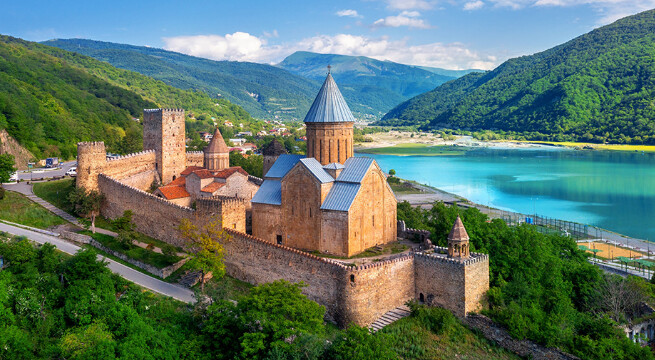
Juta sits near Stepantsminda, so the usual base is Kazbegi. From Tbilisi you travel north along the Georgian Military Road, passing Ananuri and the Gudauri ski area, before reaching Stepantsminda. From there, a side road leads to Juta. Many travelers arrange a local driver or tour for the final stretch, because the road can be rough and is not ideal for low cars.
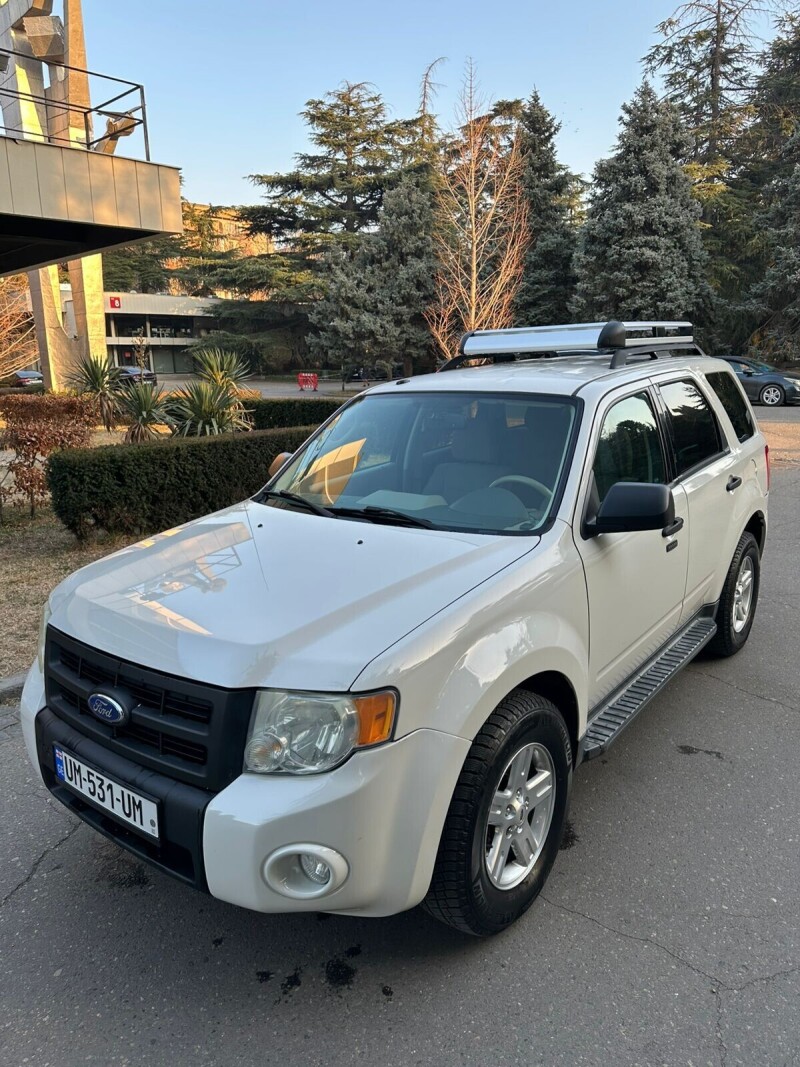
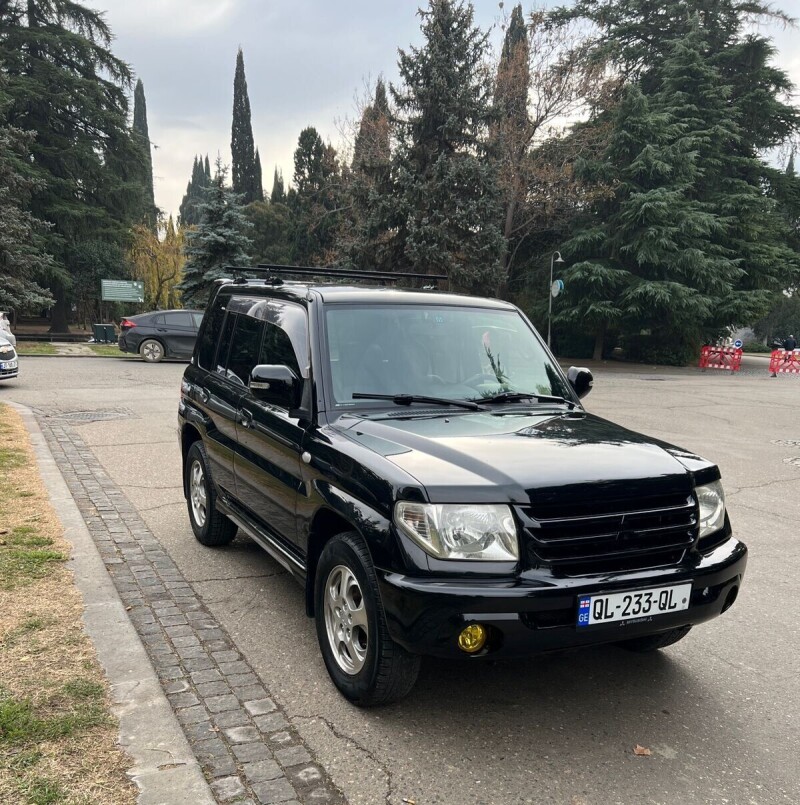
If you prefer independence, renting a vehicle is an option. Carex, a Tbilisi rental company, lists vehicles such as the Subaru Forester (36.00 USD per day), the Ford Escape Hybrid (34.00 USD per day) and the Mitsubishi Pajero IO (32.00 USD per day). Check the Carex official website for current availability and conditions, and confirm with the company which roads and seasons the vehicle is suitable for before you commit.
What to pack for the Juta and Chaukhi hike
- Footwear: sturdy hiking boots or trail shoes with good grip; the terrain is rocky and can be wet.
- Layers: a warm mid-layer and a waterproof, windproof jacket even on a sunny morning.
- Water and snacks: carry enough for the whole day, and top up in Juta before you set off.
- Sun protection: hat, sunglasses and sunscreen; the sun is strong at altitude.
- Navigation: an offline map on your phone and a power bank, since signal can be patchy.
- Cash: small villages may not accept cards, so bring some Georgian lari.

Hiking with a guide or tour
For the short walk, many confident hikers go independently. For the longer pass-and-lakes route, a guide makes sense, and a guide also helps with logistics, weather decisions and local context. Caucasus Travel is a Tbilisi-based operator that grew out of the Georgian Guiding Service, founded in the late 1980s by a group of friends who were mountaineers. Their official website shows itineraries, and their listings here include a tour day covering Stepantsminda, Juta and Chaukhi as part of a highland itinerary.
If you want a broader trip around the hike, their programmes such as Essential Georgia, Georgia on My Mind and The Land of the Golden Fleece are listed as cultural experiences, with prices on request. You can also browse more tours in Georgia to compare options.
Mountain safety basics
- Check the weather forecast and ask locals about trail conditions the evening before.
- Start early and set a firm turnaround time, whether or not you reached the viewpoint.
- Stay on the marked path and avoid steep, loose ground.
- Do not rely on mobile coverage; tell your guesthouse where you are going and when you expect to return.
- If clouds build or a storm approaches, turn back; the peaks will still be there tomorrow.
Where to stay and how to plan the day
You can base yourself in Stepantsminda for easy access to shops, restaurants and transport, or stay overnight in Juta itself to be on the trail early and enjoy the quiet evenings. Staying in the village is a good idea if you want sunrise light on the peaks or plan the longer route. Book ahead in the busy summer months, and ask your host about the day's weather before you leave.
A sensible plan is to spend one day exploring Stepantsminda and the Gergeti area for acclimatisation, then devote a second day to Juta and Chaukhi. Leave some flexibility in your schedule: if the weather is poor, you can swap days instead of forcing the walk.
Frequently asked questions
How long does the Juta and Chaukhi hike take?
It depends on how far you go and how fast you walk. The short out-and-back walk to the viewpoint under Chaukhi is usually treated as a half-day to full-day outing. The longer route to the pass and the Abudelauri lakes needs a full day or more, and is best done with a guide.
Is the Juta and Chaukhi hike difficult?
The valley trail is moderate for people with reasonable fitness, though altitude and rocky terrain make it tiring. The pass section is more demanding and depends heavily on weather and snow, so choose your goal honestly.
Can I hike to Chaukhi in winter?
Winter conditions bring snow, difficult road access and avalanche risk, so the standard hike is generally a summer-to-early-autumn activity. Ask locals for current conditions and consider skiing at Gudauri or a scenic drive instead.
Do I need a guide?
Not for the short walk in good weather, but a guide is recommended for the pass and lakes, for unstable weather, or if you are not used to mountain terrain.
Ready to plan your Caucasus trip?
Whether you hike independently, rent a car in Tbilisi or join a guided programme, the Juta and Chaukhi hike is a highlight of the Kazbegi region. Take a look at the operators and tours above, compare options, and choose the pace that suits you. You can find more trip ideas on GeoTravelMarket whenever you are ready.
Related Services

Subaru Forester
Ford Escape Hybrid
Mitsubish Pajero IO
Want your Georgian travel business featured here?
We write about local tour operators, car rentals, wine experiences and unique services across Georgia. If you'd like your company featured in our blog, get in touch — or list your services directly and start receiving bookings.