
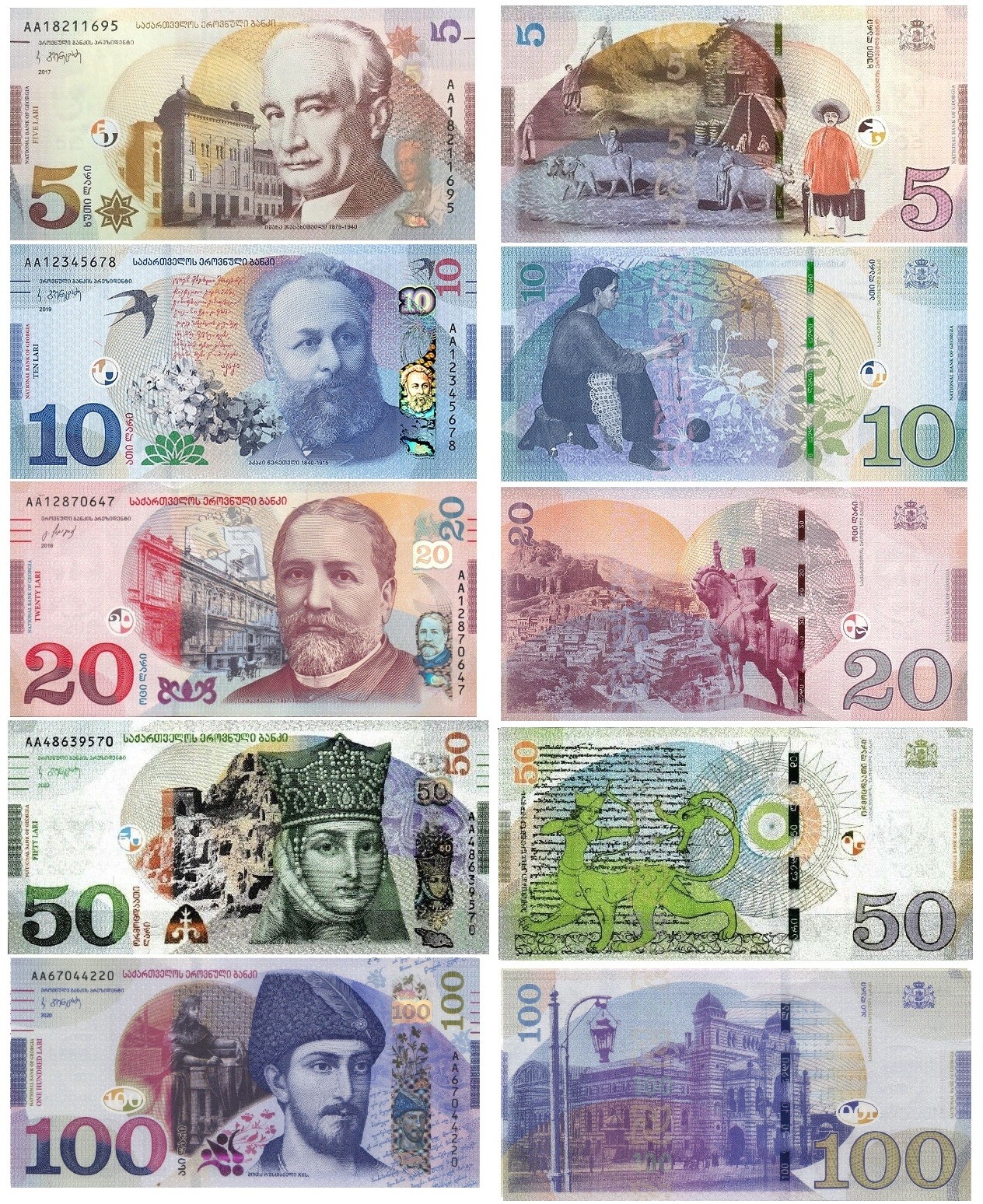
GEL Währung: Georgia's Currency Explained for Travelers
If you are searching for the GEL Währung (the German term for "currency"), here is the short answer: the GEL is the Georgian lari, the official currency of Georgia. Its symbol is ₾, its ISO code is GEL, and one lari is divided into 100 tetri. This guide goes beyond the basics and focuses on what visitors actually need to know: what to bring, where to change money, how to pay, and how to plan your budget. For the history of the lari and exchange-rate background, see our Georgian Lari traveler's guide.
Georgia's currency at a glance
Whether you type "währung georgien", "georgien währung in euro" or "valuta GEL", the answer is the same: prices in shops, restaurants, taxis and markets are quoted in lari. Euros and US dollars are not the everyday currency, so plan to hold at least some lari while you travel.
- Name: Georgian lari
- Code and symbol: GEL, ₾
- Subunit: tetri (100 tetri = 1 lari)
- Where it is used: everywhere in Georgia, from Tbilisi to mountain villages
Because the "GEL CCY" code (currency code) is what you will see on exchange boards, banking apps and card receipts, it helps to recognise it. If an ATM or card terminal asks whether you want to be charged in GEL or in your home currency, choose GEL: the conversion is normally better when your own bank does it.
Converting GEL to euro: how to think about it
Many German-speaking and European visitors ask for the "Georgien Währung in Euro". We deliberately do not print an exchange rate here, because the rate moves and any number written in an article goes out of date. Check a live rate on the day you travel and again before you exchange a larger sum.
A practical way to avoid constant mental maths: on your first day, convert a few typical prices (a coffee, a taxi ride, a restaurant main course) and remember them as your personal reference. After that you will judge prices in lari directly, which is how locals do it.
Where to exchange money
Options for getting lari, roughly from most to least convenient:
- ATMs: widely available in cities and larger towns. They dispense lari, and your bank decides the fee, so ask it about foreign withdrawal charges before you leave.
- Exchange offices: common in Tbilisi, Batumi and Kutaisi. Rates are shown on a board; compare two or three offices if you are exchanging more than pocket money.
- Banks: reliable, but with queues and opening hours that suit local business more than tourists.
- Airport counters: handy for a small starter amount, but it is wise to compare the rate with a city exchange office before changing a lot.
Bring clean, undamaged banknotes if you carry foreign cash. Exchange offices can refuse notes that are torn, heavily worn or marked.

Cash or card?
In cities, cards are widely accepted in hotels, larger restaurants, supermarkets and many shops. Contactless payment by card or phone is common in Tbilisi. Outside the cities the picture changes: guesthouses, village shops, marshrutka (minibus) drivers, roadside fruit stalls and small family restaurants often prefer or require cash.
A sensible split is to pay by card where you can and always carry a cash reserve in lari. This matters most when you head to regions such as Kazbegi, Svaneti or Kakheti, where ATMs can be few and far between.
Small notes and change
Ask your bank or the ATM for a mix of denominations. Paying a small fare or a market purchase with a large note can be awkward, and change is not always available in rural areas.
Everyday costs where you will use lari
Lari is what you will hand over for:
- Metro, city buses and marshrutka rides
- Taxi rides (many people use ride-hailing apps; confirm payment method in the app)
- Street food, bakeries and market produce
- Entrance fees, tips and small local purchases
Tipping is appreciated in restaurants; check whether a service charge is already included on your bill before adding more.
Paying for tours and car rental
Larger bookings are different from everyday spending. Some providers show prices in US dollars rather than lari. For example, Carex, a car rental company based at 76 Akaki Tsereteli Ave in Tbilisi, lists its cars in USD per day: the Subaru Forester at 36.00 USD per day, the Ford Escape Hybrid at 34.00 USD per day and the Mitsubishi Pajero IO at 32.00 USD per day. You can also visit the official Carex website for details. Always confirm with the provider which currency you will actually pay in, and whether any deposit is required.
Guided trips work similarly. Caucasus Travel is a Tbilisi-based operator that grew out of a mountaineering club formed in the late 1980s. Its programmes such as Essential Georgia, Georgia on My Mind and The land of the golden fleece are priced on request, so ask for a quote and clarify the currency and what is included. Their official website has more information. You can also browse more options under tours in Georgia.
Whenever you book in advance, a card or online payment can save you from carrying large amounts of cash.

Winter travel: carry a little extra cash
From November to March, mountain roads can be affected by snow, and plans sometimes change. If you travel to ski areas or mountain villages in winter, withdraw cash in a larger town before you go up. A snowy road is a bad moment to discover that the only ATM is two valleys away or that a guesthouse accepts only cash.
Money tips and common mistakes
- Do not rely on euros: shops and taxis expect lari. Euros and dollars are useful as a backup, not as your daily cash.
- Keep your exchange receipts until you leave, in case you want to change leftover lari back.
- Change back before departure: lari is not a currency you will easily use or exchange at home, so spend or convert leftovers in Georgia.
- Tell your bank you are travelling so that card payments are not blocked unexpectedly.
- Avoid street exchangers: use official exchange offices and banks.
- Check the price before you ride: agree the fare with a taxi driver or use a ride-hailing app.
Understanding prices and budgeting in lari
When you first arrive, prices in lari can look small or large depending on your home currency, so build a daily budget early. Split it into four groups: accommodation, food, transport and activities. Restaurant menus list prices clearly, markets often do not, so ask before you buy by weight. If you plan to travel between cities by shared minibus, train or taxi, keep a few small notes ready, since drivers appreciate exact change.
Also remember that card payments abroad may carry a foreign-transaction fee from your own bank. If you pay often by card, check this fee in advance and compare it with the cost of withdrawing larger sums less frequently. Neither approach is always cheaper, so choose what suits your trip and your bank.
A simple money plan for a one-week trip
Start with a modest cash exchange or ATM withdrawal for your first day, then pay by card in cities. Before leaving for the regions, withdraw a cash reserve in lari that covers meals, transport and tips for those days. On your last day, spend remaining coins and small notes on snacks or souvenirs, and exchange anything else back.
FAQ
What is the GEL Währung?
GEL stands for the Georgian lari, the national currency of Georgia. The symbol is ₾ and one lari equals 100 tetri.
Can I pay in euros in Georgia?
Generally no. Everyday prices are in lari. Some tour or rental providers quote in USD or EUR for bookings, but small shops, taxis and restaurants expect lari.
Are credit cards widely accepted?
In cities, yes, in most hotels, supermarkets and many restaurants. In villages and on mountain routes, carry cash.
Should I exchange money before I arrive?
Not necessarily. You can withdraw lari at an ATM or change money at an exchange office after landing. Compare rates rather than accepting the first one you see.
Plan your trip with confidence
With a little lari in your pocket and a card as backup, money is one of the easier parts of travelling in Georgia. When you are ready to plan routes, cars or guided trips, explore the options on GeoTravelMarket and ask providers directly about prices and currency.
Related Services

Subaru Forester

Ford Escape Hybrid

Mitsubish Pajero IO


Want your Georgian travel business featured here?
We write about local tour operators, car rentals, wine experiences and unique services across Georgia. If you'd like your company featured in our blog, get in touch — or list your services directly and start receiving bookings.