
Emergency Number in Georgia: Why You Should Save 112 Before You Travel
When you're exploring a new country, knowing how to get help in an emergency is just as important as booking your accommodation or planning your itinerary. If you're traveling in Georgia, there's one number you should save in your phone before you even land: 112. This single emergency number in Georgia connects you to police, ambulance, and fire services no matter where you are, making it an essential piece of information for every visitor.
Whether you're hiking in the mountains of Svaneti, wandering the streets of Tbilisi, or road-tripping through Kakheti's wine country, emergencies can happen anywhere. Having a clear understanding of how the local emergency system works can save precious time and reduce stress if something goes wrong.
What Is 112 and How Does It Work?
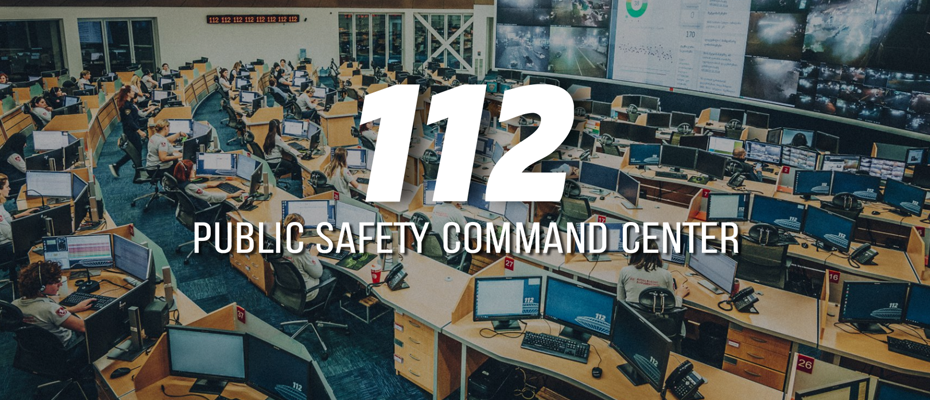
Georgia's emergency number 112 functions similarly to 911 in the United States or 999 in the United Kingdom. It's a free, universal hotline that connects callers to a centralized emergency response system, which then dispatches the appropriate service based on the nature of the call.
This means you don't need to remember separate numbers for police, ambulance, or fire brigade — one call to 112 covers all of them. The operators will assess your situation and send the right responders directly to your location, whether that's an urban address in Batumi or a remote trail near Kazbegi.
Key Features of the 112 System
- It's free to call from any phone, including mobile phones without a local SIM card in most cases.
- It works nationwide — in cities, villages, and remote mountain regions alike.
- Operators can dispatch police, medical, and fire services from a single call.
- The service is designed to respond quickly, even in less accessible areas.
When Should Tourists Call 112?
Not every travel hiccup requires an emergency call, but it's important to know the situations where dialing 112 is the right move. As a general rule, if there's a threat to your safety, health, or property, don't hesitate to call.
- Medical emergencies: sudden illness, injury, altitude sickness while hiking, or accidents requiring an ambulance.
- Crime or safety threats: theft, harassment, or any situation where you need police assistance.
- Fire hazards: whether in a hotel, guesthouse, or natural area.
- Road accidents: especially relevant if you're driving through mountainous or rural regions.
- Getting lost or stranded: particularly useful for trekkers in remote areas like Svaneti, Racha, or Kazbegi.
If you're ever unsure whether a situation warrants a call, it's always better to reach out to 112 and let the operator help you determine the next steps.
Language Barriers: What to Expect
One common concern among tourists is whether they'll be understood when calling an emergency line in a foreign country. Georgia has made efforts to accommodate international visitors, and English-speaking operators are often available through the 112 service, especially in major tourist areas.
That said, if you're traveling to more remote regions, it's a good idea to have a few key phrases ready or to travel with a guide who speaks Georgian. Apps with translation features can also help bridge any communication gaps during a stressful moment.
Tips for Clear Communication
- Speak slowly and clearly, and state your location as precisely as possible.
- If you know the name of the nearest village, landmark, or road, mention it right away.
- Keep your phone's location services enabled, as this can help responders find you faster.
- If possible, have someone nearby who speaks Georgian assist with the call.
Staying Safe While Traveling in Georgia
Georgia is generally considered a safe destination for travelers, but like anywhere in the world, it's wise to take precautions. Knowing the emergency number is just one part of a broader safety strategy that includes being aware of your surroundings, especially in mountainous or rural areas where help may take longer to arrive.
If you're planning outdoor adventures such as hiking in Kazbegi, trekking through Ushguli, or exploring remote parts of Svaneti, it's worth letting someone know your planned route and expected return time. This is especially important since mobile signal can be limited in certain high-altitude or isolated areas.
- Save 112 in your phone before you start your trip.
- Share your itinerary with a friend, family member, or your accommodation host when heading into remote areas.
- Carry a basic first-aid kit, particularly for hiking or road trips.
- Keep a physical copy of important information in case your phone battery dies or you lose signal.
Other Useful Numbers and Resources
While 112 covers the vast majority of emergency situations, it's also helpful to have contact information for your country's embassy or consulate in Georgia, as well as your travel insurance provider's emergency line. These can be useful for situations that fall outside the scope of local emergency services, such as lost passports or insurance claims.
Many hotels, guesthouses, and tour operators can also provide guidance or immediate assistance if you run into trouble, so don't hesitate to reach out to your hosts or guides as well.
Final Thoughts for Travelers
Georgia's landscapes, culture, and hospitality make it an unforgettable destination, but preparation is key to enjoying your trip worry-free. Knowing that a single call to 112 can bring police, medical, or fire assistance to your exact location — anywhere in the country — is a small piece of knowledge that offers a lot of peace of mind.
Before you set off on your Georgian adventure, take a moment to save this number and share it with your travel companions. And as you plan the rest of your trip, browse GeoTravelMarket to connect with trusted local guides, transportation services, and vendors who can help make your journey through Georgia both safe and memorable.